Nausea and Vomiting of Pregnancy (NVP)/Morning Sickness
Cause
Symptoms
Treatment
Cause
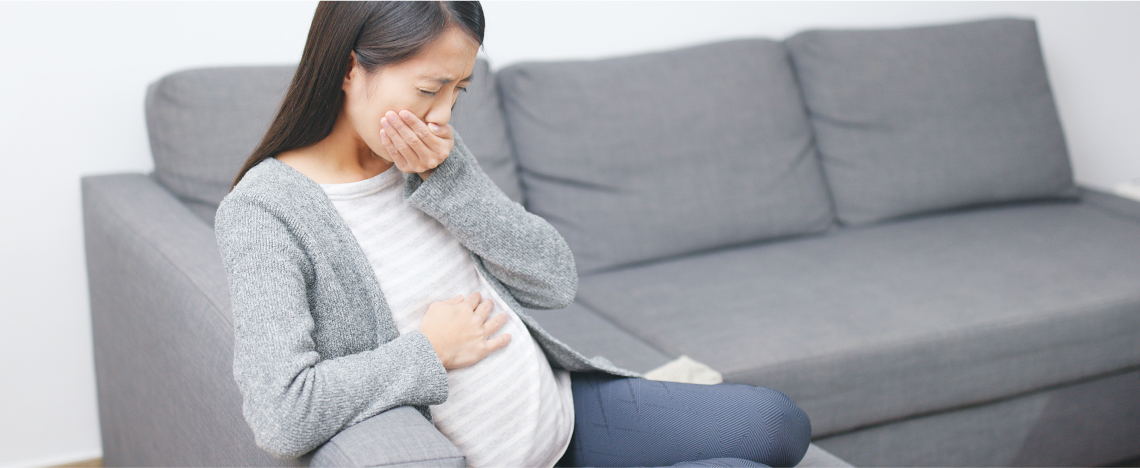
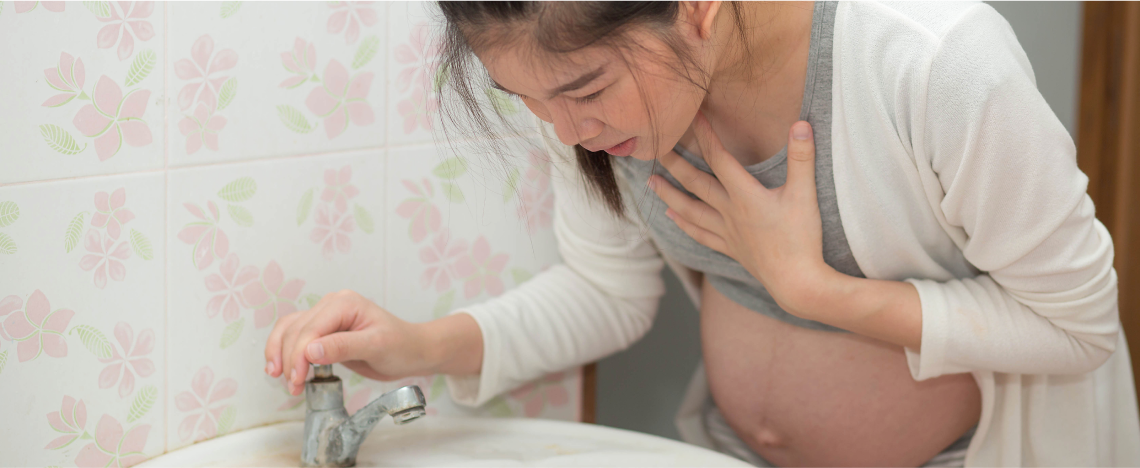
NVP or “morning sickness” is the most common medical condition in pregnancy. It affects up to 80% of pregnant women. NVP symptoms can range from mild to severe. The symptoms can happen at any time during the day or at night. Symptoms can include nausea, dry heaves, retching and/or vomiting. NVP usually begins between 4-9 weeks of pregnancy, and peaks between 7-12 weeks. In most women, symptoms go away between 12-16 weeks of pregnancy. Up to 15% of women will continue to have symptoms up to 20 weeks of pregnancy or until delivery.
The most severe form of NVP is known as hyperemesis gravidarum (HG), which affects up to 3% of pregnant women. HG is a condition where there is severe nausea and constant vomiting that causes weight loss and dehydration (not getting enough water). Women with HG can require hospitalization.
Whether symptoms of NVP are mild, moderate, or severe, it can have a major impact on a woman’s quality of life. If NVP is affecting your ability to eat/drink, sleep, and/or perform your daily activities, speak with your healthcare provider.
If the symptoms of NVP first start at the 10th week of pregnancy or later they may be due to other causes and should be discussed with your healthcare provider.
Symptoms
Nausea and vomiting of pregnancy (NVP), is a symptom of pregnancy that involves nausea or vomiting. Despite the name, nausea or vomiting can occur at any time during the day. Typically the symptoms occur between the 4th and 16th week of pregnancy. About 10% of women still have symptoms after the 20th week of pregnancy. A severe form of the condition is known as hyperemesis gravidarum and results in weight loss.
Treatment
Antiemetics
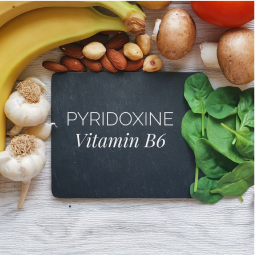
Pyridoxine
Corticosteriods
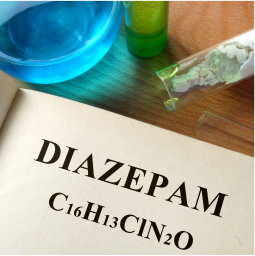
Diazepam
Alternative medicine
Ginger may be used by women wishing to avoid antiemetic therapies in mild to moderate NVP. (Royal College of Obstetricians & Gynaecologists-Evidence Class A)